 Regeneration Most searched ≥ 99 %
RP-BPC-05 5 mg
BPC-157
A stable pentadecapeptide, associated with angiogenesis and tissue repair in preclinical models.
Research use
Lyophilized powder · 5 mg
Research use · informational overview
Informational content · no sales
50 mg / Lyophilized powder / ≥ 99 %
The copper tripeptide that research links to collagen, elastin and skin renewal.
Documentation
The description states the methods and declared data. Verify the COA, chromatogram and MS confirmation for the specific batch at the source.
Illustrative image generated with artificial intelligence. It does not show actual product packaging.
GHK-Cu is a complex of the tripeptide GHK (glycine–histidine–lysine) and copper(II) ions. The GHK peptide was first described in the 1970s, when researchers identified it in human plasma. It was later found to have a high affinity for copper and to be able to influence processes related to tissue renewal.
Chemically, it is a small, relatively stable molecule that, because of its size and properties, is frequently the subject of research in cell cultures and skin models.
In preclinical research, GHK-Cu has been linked to several processes:
The results are consistent with the biological role of copper in enzymes involved in collagen formation, but a distinction must be drawn between mechanism and demonstrated clinical effect. Much of the literature comes from in vitro experiments that do not capture the complexity of a living organism.
GHK-Cu is popular in the cosmetics industry, where it is used in formulations for mature skin. This can create the mistaken impression that any GHK-Cu is “cosmetics”. Our product is a research material in lyophilized form, intended for laboratory use. It is not a cosmetic product and is not intended for direct application to the skin.
Nor is it a medicine. Claims about “rejuvenation” or “scar treatment” go beyond what the available data can support.
Copper complexes are sensitive to light, pH and the presence of chelating agents. Research therefore needs to take into account:
The listing declares a purity of ≥ 99 % (HPLC). Details of what analytical figures mean are in the article HPLC and mass spectrometry.
GHK-Cu is a biologically interesting and well-described peptide whose research value lies mainly in the study of skin biology and the extracellular matrix. For laboratory use, the decisive factors are the quality of the material, correct storage and a clear separation between research and clinical use.
Related peptides
Regeneration Most searched ≥ 99 % A stable pentadecapeptide, associated with angiogenesis and tissue repair in preclinical models.
Research use
Lyophilized powder · 5 mg
 Regeneration ≥ 98 %
A thymosin beta-4 fragment, in research associated with actin, cell migration and healing.
Research use
Lyophilized powder · 5 mg
Context
 Regeneration
GHK-Cu is a complex of the tripeptide GHK and copper. An overview of research on collagen, elastin, wound healing and the differences between cosmetics and research use.
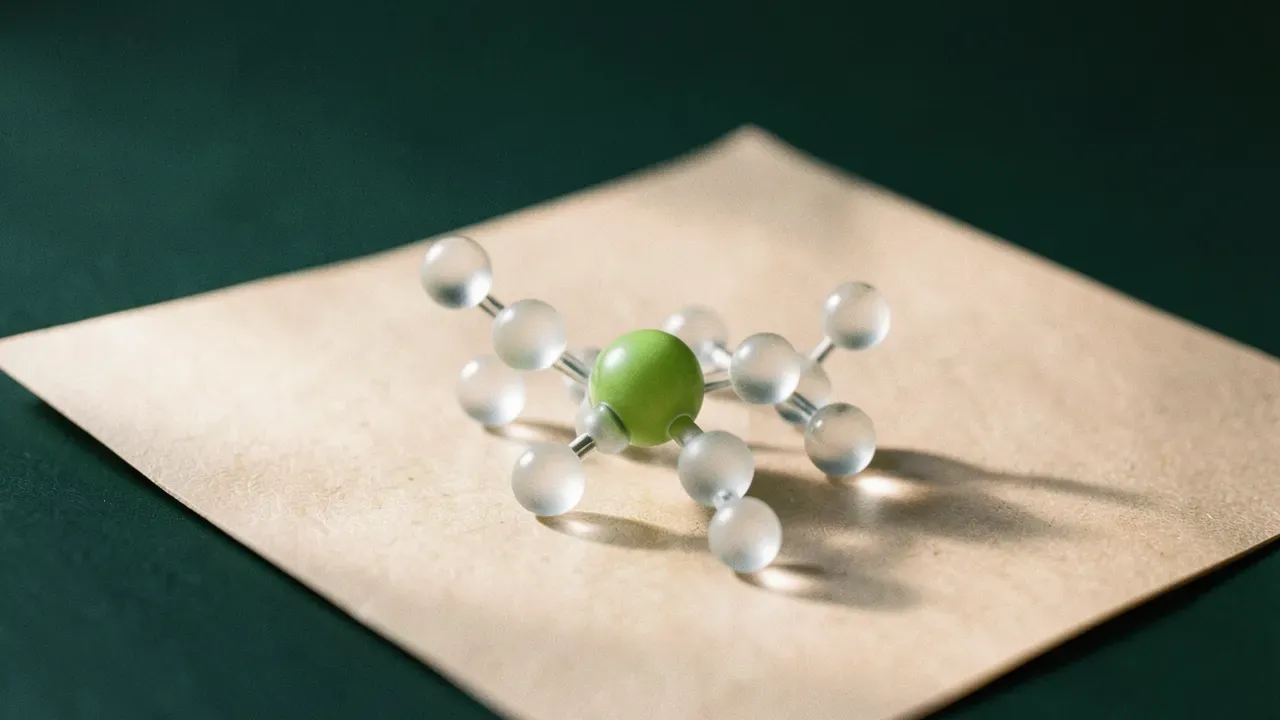 Basics
Peptides are short chains of amino acids with diverse biological roles. This guide explains structure, mechanism, types, research limitations and the importance of purity.
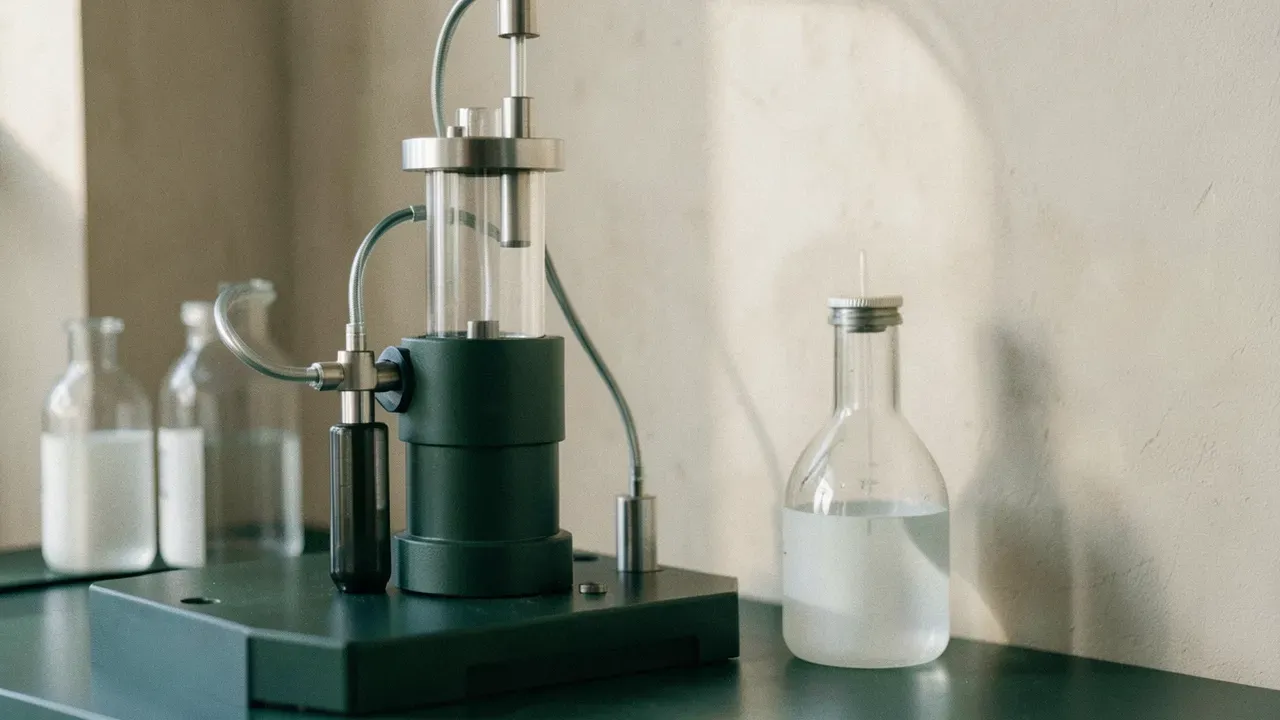 Quality
What do peptide purity figures mean? An explanation of the HPLC chromatogram, mass spectrometry, water and salt content, and the limits of analytical methods.
 Quality
How to read a Russian peptide label and batch documentation: batch number, catalogue number, salt form, purity, laboratory and traceability.
 Quality
A practical framework for reading scientific papers on peptides: model, sample size, control, dose, outcome, limitations and independence of evidence.
Explore further
The catalog collects specifications, described methods and related research. All described materials are intended for laboratory use.